Losing weight is often about building sustainable habits rather than following short-term diets or extreme workout routines. Regular physical activity, combined with balanced nutrition and consistent lifestyle choices, can help support healthy weight management. For people who prefer exercising with others, fitness classes for weight loss can provide structure, motivation, and an enjoyable way to stay active.
Group fitness can be particularly useful for people who find it difficult to stay motivated when exercising alone. Having a scheduled class and a supportive environment can make it easier to establish a regular workout routine.
Why Choose Fitness Classes for Weight Loss?
Starting a fitness routine can be challenging when you are unsure what exercises to perform or how to structure your workouts. Fitness classes provide a planned session led by an instructor, allowing participants to follow a structured workout rather than creating their own routine.
Classes may combine different types of exercise, including cardio, strength training, mobility work, and functional movements. Depending on the class format, workouts can help improve fitness, endurance, strength, and overall physical activity levels.
The most effective approach is usually one that you can maintain consistently over time.
How Group Fitness Can Keep You Motivated
Motivation can make a major difference when working towards a fitness goal. Exercising in a group can create a sense of accountability and make workouts feel more social.
Instead of viewing exercise as a task that needs to be completed alone, attending a class can turn it into a regular activity that you look forward to. Seeing familiar faces and participating in a shared workout may also encourage you to stay committed.
A positive training environment can be particularly helpful for beginners who may feel nervous about starting at a gym.
Different Types of Fitness Classes
Fitness classes can vary significantly in their style and intensity. Some focus primarily on cardiovascular exercise, while others emphasise strength, conditioning, flexibility, or functional movements.
Examples may include:
- Group strength training
- Circuit training
- Cardio-based workouts
- Functional fitness
- HIIT-style sessions
- Conditioning classes
- Mobility and stretching sessions
The right class depends on your current fitness level, preferences, goals, and any limitations you may have. If you are new to exercise, starting with an appropriate beginner-friendly class can make the experience more comfortable.
The Role of Strength Training in Weight Management
Cardio is often associated with weight loss, but strength training can also be an important part of a balanced fitness routine. Resistance exercises can help develop and maintain muscle strength while improving overall physical fitness.
Strength-based classes may use bodyweight movements, resistance equipment, free weights, or other training methods. Building strength can also support everyday activities and improve functional fitness.
A well-rounded program may combine strength and cardiovascular exercise rather than relying on only one type of workout.
Staying Active Beyond Fitness Classes
Attending a fitness class is a great way to add structured exercise to your week, but overall daily activity also matters. Simple habits such as walking more, taking regular movement breaks, using stairs where appropriate, and staying active throughout the day can contribute to your overall activity level.
The goal is to create a lifestyle where physical activity becomes a regular part of your routine rather than something you do occasionally.
How Often Should You Attend Fitness Classes?
The ideal frequency depends on your current fitness level, schedule, recovery needs, and goals. Beginners may benefit from starting gradually and increasing their activity as their fitness improves.
Consistency is generally more important than trying to exercise intensely every day. Giving your body appropriate time to recover can help you maintain your routine and reduce the risk of overtraining.
A qualified fitness professional can help you understand how to structure your workouts based on your individual needs.
Combining Exercise with Healthy Nutrition
Exercise is only one part of weight management. Nutrition, sleep, stress management, and daily habits can also influence your progress.
A balanced eating pattern that provides appropriate nutrients can support your training and general wellbeing. Rather than relying on restrictive diets, focus on sustainable food choices that you can maintain over time.
If you have specific dietary requirements or health concerns, speaking with an appropriately qualified healthcare or nutrition professional can provide personalised guidance.
Setting Realistic Fitness Goals
Setting realistic goals can help you stay motivated. Instead of focusing only on a number on the scales, consider other improvements such as increased stamina, better strength, improved mobility, or being able to complete exercises that were previously difficult.
Tracking your workouts can also help you recognise progress. You might record the classes you attend, exercises completed, duration, or improvements in strength and endurance.
Small improvements can add up when you maintain your routine consistently.
Choosing the Right Fitness Environment
The gym or fitness centre you choose can influence how comfortable and motivated you feel. Look for an environment where instructors are approachable, classes are suitable for your fitness level, and the overall atmosphere encourages consistency.
FitBase Gymnasium provides fitness and training options for people looking to become more active and work towards their fitness goals. A supportive environment can make it easier to establish a routine and stay engaged with your workouts.
Fitness Classes for Weight Loss in Cranbourne
If you are searching for fitness classes for weight loss in Cranbourne, group training can be a practical way to introduce structure and consistency into your exercise routine. Rather than exercising without a plan, classes can provide guided workouts and an opportunity to train alongside other people.
Remember that healthy weight management is a long-term process. Combining regular exercise with balanced nutrition, adequate recovery, and sustainable lifestyle habits can help you work towards your goals.
Before beginning a new exercise program, particularly if you have existing health concerns or have been inactive for an extended period, consider seeking appropriate professional advice. Start at a level that matches your abilities and gradually build your fitness over time.
Frequently Asked Questions
1. Are fitness classes suitable for beginners?
Many fitness classes can be adapted for different fitness levels. Beginners should choose suitable sessions and communicate with the instructor about their experience and abilities.
2. Can fitness classes help with weight loss?
Regular physical activity can support weight management by increasing energy expenditure and improving overall fitness. Results also depend on nutrition, lifestyle, consistency, and individual factors.
3. How often should I attend fitness classes?
The ideal schedule varies from person to person. Starting gradually and maintaining a consistent routine can be more sustainable than exercising intensely without adequate recovery.
4. Should I combine cardio and strength training?
A combination of cardiovascular and strength exercises can provide a more balanced fitness routine. The right mix depends on your individual goals and fitness level.
5. Where can I find fitness classes for weight loss in Cranbourne?
FitBase Gymnasium offers fitness and training options for people looking to improve their fitness and develop a consistent exercise routine.
Post a comment
Related Posts
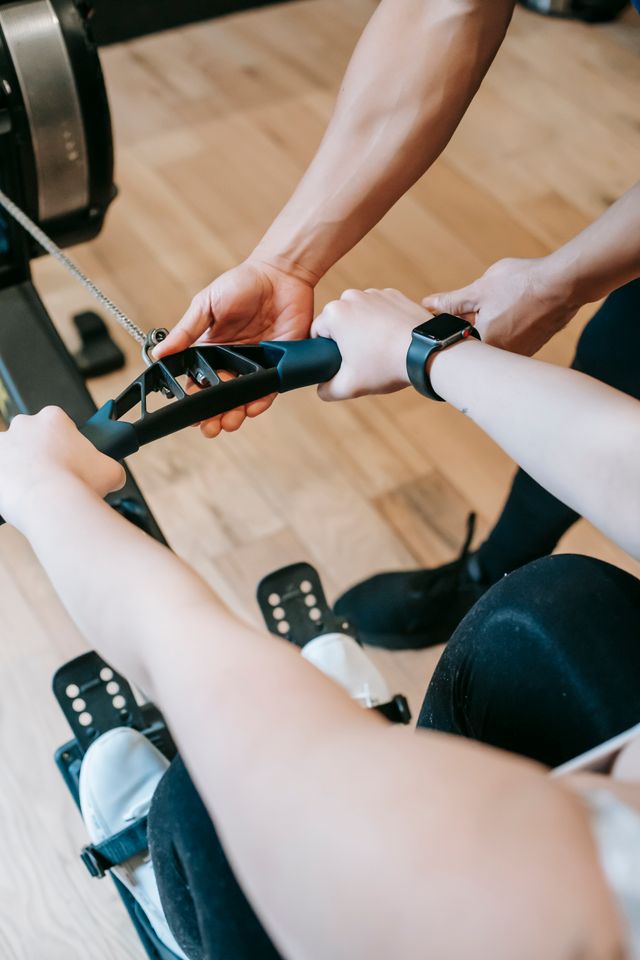
Gym Training Classes in Cranbourne: Find the Right Workout for Your Fitness Goals
Staying active is an important part of maintaining a healthy lifestyle, improving strength, and supporting…
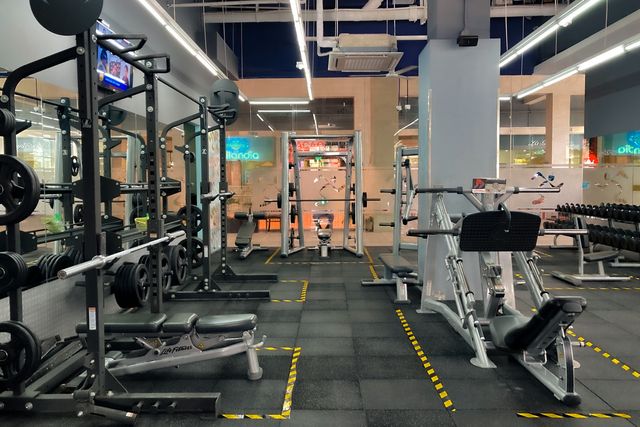
Club Fitness Membership Near Me Cranbourne: Find a Gym That Fits Your Routine
If you are searching for a club fitness membership near me in Cranbourne, choosing a…
Why Choose a Cranbourne Fitness 24/7 Gym?
Finding time for regular exercise can be difficult when your daily schedule is filled with…

Workout Places Cranbourne Near Me: Find the Right Gym for Your Fitness Goals
Searching for workout places in Cranbourne near me? Finding the right gym can make it…